Main Applications of Methyl Methacrylate (MMA)
Methyl Methacrylate is widely used across multiple industries due to its excellent transparency, mechanical strength, chemical stability, and processability. Its major applications can be classified into the following key categories.
1. Acrylic Plastics and Optical Materials
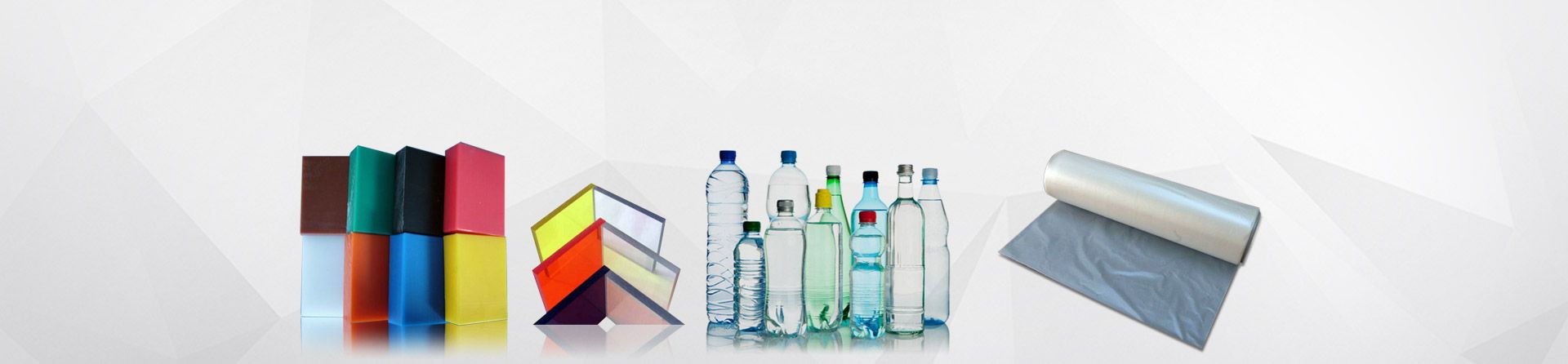
The largest application of MMA is in the production of polymethyl methacrylate (PMMA), a high-performance transparent polymer known for its excellent optical and mechanical properties.
Typical applications include:
Optical lenses for eyeglasses, cameras, and optical instruments
Advertising signage, display panels, and exhibition materials
Automotive lighting systems, dashboards, and decorative components
Medical-grade optical devices and prosthetics
PMMA products based on MMA offer high light transmittance, weather resistance, and long service life.
2. Coatings, Paints, and Surface Protection
MMA is widely used in industrial and architectural coating systems to enhance durability, adhesion, and weather resistance.
Main application areas include:
Building and infrastructure protective coatings
Automotive and transportation coatings
Marine and offshore anti-corrosion coatings
Wood, furniture, and decorative surface coatings
MMA-based coatings provide excellent gloss retention, abrasion resistance, and long-term environmental stability.
3. Adhesives, Sealants, and Bonding Materials
MMA-based adhesives and sealants are widely applied in structural bonding due to their strong adhesion and fast curing characteristics.
Typical uses include:
Construction bonding of concrete, metal, glass, and plastics
Automotive structural assembly and glazing
Marine waterproof sealing systems
Aerospace and high-performance composite bonding
These products ensure reliable bonding performance under harsh environmental conditions.
4. Medical, Dental, and Healthcare Materials
Methyl Methacrylate plays an important role in medical and dental applications because of its biocompatibility and molding flexibility.
Key applications include:
Dental dentures, crowns, and orthodontic devices
Intraocular lenses and medical prosthetics
Medical-grade adhesives for wound closure
Orthopedic bone cement for joint replacement and fracture repair
MMA-based medical materials provide long-term stability and safety in clinical environments.
5. Industrial Materials, Composites, and Specialty Products
MMA is also extensively used in industrial manufacturing and specialty material production.
Main applications include:
Fiber-reinforced composite resins for aerospace and automotive sectors
Solid surface materials for countertops and architectural decoration
Electronic encapsulation and insulation materials
Printing inks and packaging coatings
Textile coatings for waterproof and stain-resistant fabrics
Artistic and sculptural materials
These applications benefit from MMA’s chemical resistance, mechanical strength, and processing versatility.
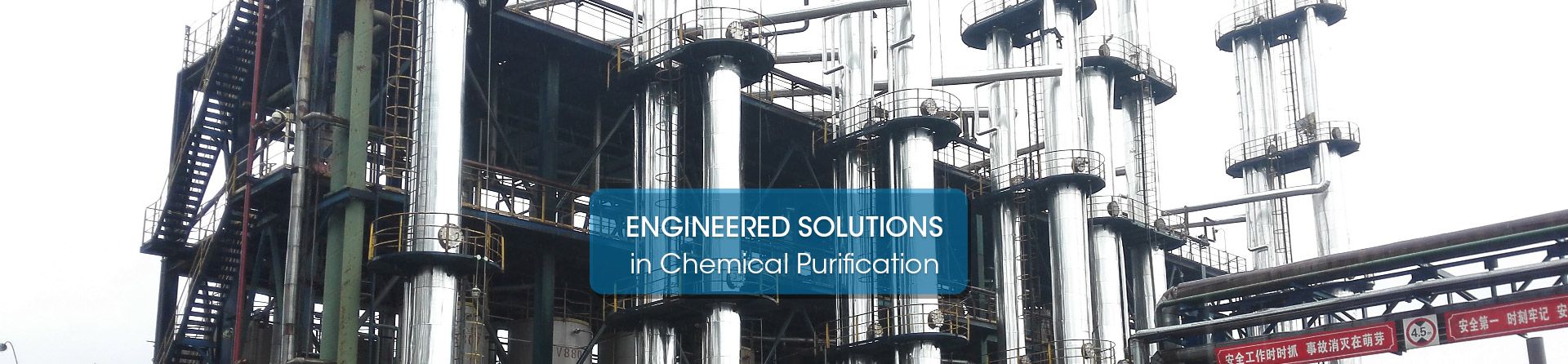
Methyl Methacrylate (MMA) is a versatile monomer with a wide range of applications across various industries. It is a clear, colorless liquid with a distinct fruity odor and is known for its exceptional properties, including transparency, durability, and ease of polymerization. In this comprehensive guide, we will explore the diverse and extensive applications of Methyl Methacrylate.
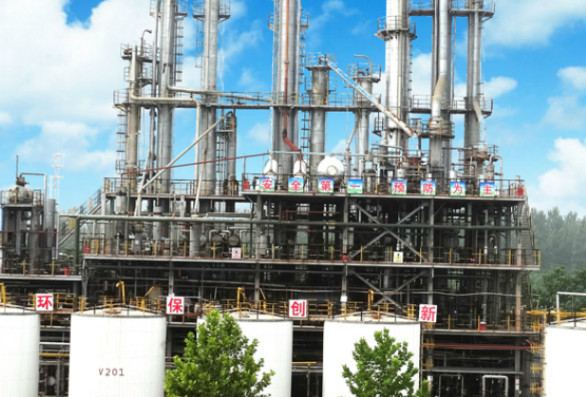
Methyl Methacrylate plant
6. MMA Production Technologies and Routes
Methyl Methacrylate is mainly produced through several mature industrial processes. The most widely used technologies include:
ACH Route (Acetone Cyanohydrin Process):
A traditional and mature process with stable operation, suitable for large-scale production.
C4 Route:
Uses isobutylene as raw material, featuring lower environmental impact and improved sustainability.
C2 Route:
Based on ethylene feedstock, offering flexible raw material sourcing.
New Green Process:
Emerging technologies focused on reducing waste and improving energy efficiency.
Each route has different requirements in raw materials, investment cost, environmental impact, and operating complexity. Proper technology selection is essential for long-term plant performance.
7. Typical MMA Production Process Flow
A typical Methyl Methacrylate production plant consists of the following main sections:
Raw material preparation and purification
Reaction and synthesis unit
Intermediate separation and purification
MMA distillation and refining system
Product storage and packaging
Utility and auxiliary systems
Through optimized reaction control and advanced distillation technology, high-purity MMA products can be obtained with stable quality and high yield.
8. MMA Plant Capacity and Investment Overview
MMA production plants can be designed with different capacities according to market demand and investment plans.
| Plant Capacity | Typical Application |
|---|
| 10,000–30,000 TPA | Pilot and small-scale plants |
| 30,000–60,000 TPA | Medium-scale industrial plants |
| 80,000+ TPA | Large commercial plants |
The total investment of an MMA plant mainly depends on selected technology route, automation level, environmental protection facilities, and local construction conditions.
Reasonable capacity planning can effectively reduce unit production costs and improve overall project profitability.
9. Environmental Protection and Safety Design
Modern MMA plants are designed with strict environmental and safety standards.
Key environmental systems include:
VOC recovery and emission control units
Wastewater treatment and recycling systems
Off-gas purification systems
Solid waste management facilities
Safety systems include:
Emergency shutdown systems (ESD)
Process safety interlocks
Fire protection and explosion prevention systems
Real-time monitoring and alarm systems
These systems ensure safe, compliant, and sustainable plant operation.
10. Key Equipment in MMA Production Plants
The performance of an MMA plant largely depends on the quality of core equipment, including:
High-quality equipment selection and precise engineering design are critical to long-term operational stability.
11. SL Tech’s MMA Plant Engineering Capability
With strong R&D capability and extensive project experience, SL Tech provides complete engineering and technology solutions for Methyl Methacrylate production plants.
Our services include:
Process Design Package (PDP)
Basic and detailed engineering
Equipment procurement and inspection
EPC contracting and project management
Commissioning and technical training
With particular expertise in distillation and purification technology, SL Tech helps clients achieve high product purity, stable operation, and optimized energy consumption.
12. How to Choose a Reliable MMA Plant Supplier
When selecting an MMA plant supplier, investors should consider the following key factors:
Maturity and reliability of production technology
Proven EPC and project delivery experience
Engineering and customization capability
After-sales technical support
Compliance with environmental regulations
A professional supplier with strong technical background and international project experience can significantly reduce project risks and improve return on investment.
Contact Us for MMA Plant Solutions
If you are planning to invest in an MMA production plant or upgrade your existing facility, SL Tech can provide customized technical solutions and EPC services.
Our engineering team will support you from technology selection to plant commissioning.
Contact us today to receive a professional consultation and preliminary project proposal.