Mono Ethylene Glycol (MEG) is a vital chemical compound used in various industries, including automotive, textiles, and pharmaceuticals. Its primary application lies in the production of polyester fibers and resins. Understanding the manufacturing process of MEG is crucial for industries reliant on its production. Let's delve into the intricacies of how MEG is manufactured.
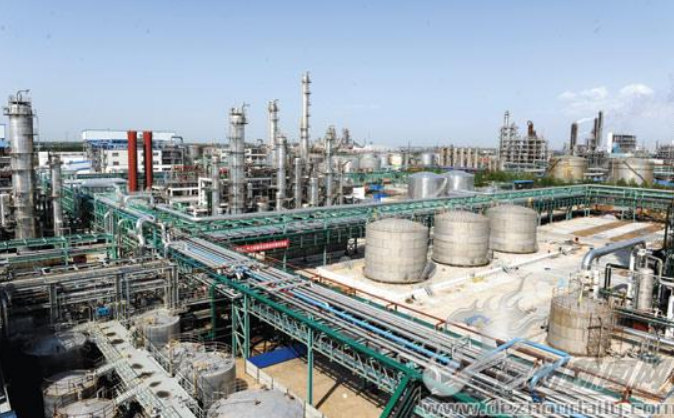
Monoethyle Glycol Plant / MEG Production
Introduction to Mono Ethylene Glycol
Mono Ethylene Glycol, with the chemical formula C₂H₆O₂, is a colorless, odorless, and viscous liquid. It is an organic compound and belongs to the group of glycols, which are dihydric alcohols containing two hydroxyl groups (-OH). MEG is hygroscopic, meaning it readily absorbs water from the atmosphere.
Raw Materials
The manufacturing process of MEG primarily involves the oxidation of ethylene, a readily available hydrocarbon. The key raw materials required for MEG production include ethylene, oxygen, and water. Ethylene, obtained from sources like crude oil or natural gas, serves as the primary feedstock.
Oxidation Process
1. Ethylene Oxidation
The manufacturing process begins with the oxidation of ethylene to form ethylene oxide (EO). This step typically employs a catalyst, such as silver or platinum, to facilitate the reaction. The reaction can be represented as follows:
C2H4+O2→C2H4O
2. Ethylene Oxide Hydration
Ethylene oxide is then hydrated to form ethylene glycol. This step involves the reaction of ethylene oxide with water, usually under elevated temperature and pressure conditions, and with the help of a catalyst such as sulfuric acid. The reaction can be represented as follows:
C2H4O+H2O→C2H6O2
Major Industrial Routes for MEG Manufacturing
Although the ethylene oxide (EO) hydration route is the most widely adopted method, modern MEG production involves several technological variations that significantly affect selectivity, energy consumption, and environmental impact.
1. Direct Hydration of Ethylene Oxide
In the conventional direct hydration process, excess water reacts with ethylene oxide to form mono ethylene glycol.
Operates with a high water-to-EO ratio
MEG selectivity: 85–90%
Produces by-products such as diethylene glycol (DEG) and triethylene glycol (TEG)
Requires extensive downstream separation
While technically simple and reliable, this process consumes significant energy due to large water evaporation loads during purification.
2. Indirect Hydration Process
The indirect hydration method involves the formation of intermediate glycol esters before hydrolysis to MEG.
Higher selectivity to MEG
Lower by-product formation
More complex process configuration
This route improves product yield but increases capital investment.
3. OMEGA Process
One of the most advanced technologies is the OMEGA process developed by Shell.
Key advantages include:
99% selectivity to MEG
Minimal DEG and TEG formation
Reduced water consumption
Lower energy demand
Smaller wastewater generation
The OMEGA process significantly improves carbon efficiency and has become a preferred option for modern large-scale MEG plants.
By-Products and Selectivity Control
During EO hydration, secondary reactions lead to the formation of higher glycols, primarily:
Diethylene Glycol (DEG)
Triethylene Glycol (TEG)
These by-products are formed when ethylene oxide reacts with already-formed MEG molecules.
Process parameters influencing selectivity include:
Advanced technologies aim to maximize MEG yield while minimizing DEG and TEG formation, thereby reducing separation energy requirements and improving overall process economics.
Purification Process
The crude ethylene glycol obtained from the hydration process undergoes purification to remove impurities and by-products. Various purification techniques such as distillation, filtration, and chemical treatments are employed to achieve the desired purity level of MEG.
Distillation
Distillation is a crucial step in the purification process of MEG. It involves heating the crude ethylene glycol to its boiling point, allowing it to vaporize, and then condensing the vapor back into liquid form. This process helps separate MEG from other components present in the crude mixture.
Filtration
Filtration is used to remove solid impurities and any remaining catalyst residues from the distilled MEG. This ensures the final product meets the required quality standards.
Chemical Treatments
Chemical treatments such as neutralization and decolorization are performed to further enhance the purity of MEG. These processes help eliminate any remaining acidic or colored impurities, resulting in a high-quality end product.
Coal-to-MEG (CTMEG) Production Route
In addition to ethylene-based production, MEG can also be manufactured via coal-based routes, particularly in coal-rich regions.
The coal-to-MEG process generally follows:
Coal → Syngas → Methanol → Dimethyl Oxalate (DMO) → Hydrogenation → MEG
Key characteristics:
Although capital-intensive, CTMEG technology offers feedstock flexibility and strategic energy security advantages.
Final Product
After undergoing the purification process, the final product obtained is high-purity mono ethylene glycol, ready for various industrial applications. It is typically stored and transported in bulk containers such as tankers or drums, ensuring its safe delivery to end-users.
Energy Consumption and Environmental Considerations
MEG production is energy-intensive due to:
Typical industrial benchmarks indicate:
20–25 GJ energy consumption per ton of MEG
Significant CO₂ emissions linked to upstream ethylene production
Wastewater generation from hydration and purification stages
Environmental performance depends heavily on feedstock source and process configuration. Plants utilizing advanced heat integration and high-selectivity technologies achieve lower carbon footprints and improved operational efficiency.
Future Trends in MEG Manufacturing
The MEG industry is evolving toward more sustainable production pathways. Key development trends include:
Bio-based MEG derived from bio-ethanol
Integration of renewable hydrogen in upstream processes
Electrification of ethylene oxide reactors
Chemical recycling of PET back to MEG
Carbon capture integration in large petrochemical complexes
These innovations are reshaping the environmental profile of MEG production and supporting global decarbonization goals.
Conclusion
The manufacturing process of mono ethylene glycol involves several intricate steps, starting from the oxidation of ethylene to the purification of crude ethylene glycol. Each step is crucial in ensuring the final product meets the required quality standards for its diverse industrial applications. Understanding this process is essential for industries reliant on MEG production.
In conclusion, the production of mono ethylene glycol is a complex yet crucial process that serves various industries worldwide. SL Tec, as a trusted MEG plant supplier and technology provider, offers comprehensive solutions and guidance to ensure efficient, high-quality MEG production. Whether you are establishing a new plant or optimizing an existing facility, SL Tec can provide technical support, process know-how, and equipment expertise to meet your production goals. Contact SL Tec today to secure a reliable supply of mono ethylene glycol and enhance your operational efficiency.